






























Rohit Arya: The Man Behind the Mumbai Powai Hostage Incident
Mumbai witnessed a shocking incident on October 30, 2025, when a man named Rohit Arya allegedly took several children hostage inside RA Studio located in the Mahavir Classik building of Powai. The situation sent shockwaves across the city and grabbed nationwide attention as videos and details from the scene began circulating online.
According to Mumbai Police, Rohit Arya had called around 17 children and two adults to his acting studio under the pretext of conducting an audition. Once they were inside, he locked the doors and refused to let them leave. Witnesses outside the building claimed to have heard noises and crying from the first-floor studio, prompting nearby residents to call the police.
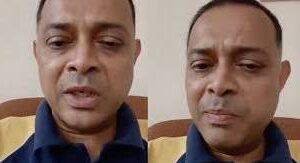
Before police arrived, Rohit Arya released a dramatic video on social media in which he declared, “I am not a terrorist. I don’t want money. I just want moral answers.” He claimed that he had been wronged by the authorities and was using this act as a form of protest to make his voice heard. In the video, he appeared disturbed but calm, insisting that he would not harm anyone if his message was understood.
Police teams, including the Mumbai Crime Branch and Quick Response Team (QRT), surrounded the area and began negotiations. As the standoff continued for several hours, authorities attempted to convince Arya to release the hostages peacefully. When negotiations failed and officers heard distress sounds from inside, they decided to storm the room.
During the rescue operation, chaos broke out inside the studio. Reports suggest that Arya brandished what looked like an airgun and a chemical substance. Police opened fire to neutralize him, and one of the bullets hit Arya in the abdomen. He was rushed to Hiranandani Hospital, where he was later declared dead. Thankfully, all 19 hostages — 17 children and 2 adults — were rescued safely, though several were in shock.
Investigations later revealed that Rohit Arya was from Pune and had been living in Mumbai’s Chembur area. He was a self-proclaimed creative professional who claimed to have conceptualized a school-development project called “Majhi Shala, Sundar Shala.” In his statement and earlier videos, he alleged that government officials had used his idea without giving him credit or payment. Arya reportedly believed that taking hostages was the only way to draw attention to his grievances after being ignored for months.
Police sources said that Arya may have been suffering from mental stress and emotional instability. Friends and acquaintances described him as creative but eccentric, often expressing frustration over perceived injustices. His decision to involve children, however, shocked even those who knew him personally.
The Mumbai Police Commissioner praised the rescue team for acting swiftly and ensuring the safety of the children. The entire Powai area was on high alert for several hours, and traffic had to be diverted to maintain public safety. Local parents rushed to the scene, some in tears, as they reunited with their children after the tense standoff ended.
Videos of the operation and Arya’s earlier monologue quickly went viral on social media. Triggering widespread debates about mental health, government accountability, and public security. Many users online expressed sympathy for his frustrations but condemned his violent approach. Others raised questions about the ease with which such an event could occur in a residential neighborhood.
As the investigation continues, authorities are analyzing Arya’s social-media activity and digital records to understand his final motives and mental state. Officials from the Education Department of Maharashtra have also confirmed that his claims about the school project are being reviewed.
The Mumbai hostage case has exposed deeper social issues — from ignored grievances. And mental-health struggles to the desperation that drives individuals toward extreme measures. Rohit Arya’s actions may have been misguided and tragic. But they highlight the importance of early intervention, empathy. And responsible governance in addressing public frustration before it escalates into crisis.



[…] from the start. As Millie Bobby Brown mentioned in an interview, “It feels like saying goodbye to a family we grew up […]