




























-
First Remote Health-Monitoring App Introduced in Jersey. Jersey’s Digital Health Transformation
The healthcare landscape is changing fast, and Jersey Island is stepping confidently into the future with its first-ever remote health-monitoring app. This major leap forward showcases how technology can transform community healthcare, especially for older adults who rely heavily on support and routine check-ups. But what’s driving this digital healthcare shift?
Why Jersey Needed a Remote Health Update
Jersey, with its aging population and rising need for community care, has long needed a system that reduces pressure on nurses while ensuring patients get help when they need it most. Traditional home visits are effective—but they can’t capture health data 24/7. That’s where remote monitoring enters the picture.
The Rise of Digital Care Solutions Globally
Countries worldwide are adopting remote health technologies to track vitals, predict medical emergencies, and help patients remain independent. Now, Jersey joins that global movement with its own custom-designed solution.
-
FNHC Leads the Digital Healthcare Revolution
Who Is Family Nursing and Home Care (FNHC)?
FNHC is the backbone of community nursing in Jersey. For decades, they’ve been supporting vulnerable residents, especially those with chronic illnesses, disabilities, and age-related health challenges.
Their Mission in Modern Caregiving
Their goal has always been clear: to offer compassionate, efficient, and proactive healthcare. Introducing remote monitoring is another step in strengthening that mission.
-
What Is the “Luci” Remote Monitoring App?
Developed by GraphNet Health
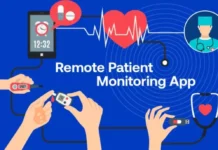
Luci, created by GraphNet Health, is a cutting-edge app designed to share real-time health data between patients and nurses. It’s secure, efficient, and built specifically for improved patient monitoring.
Purpose and Core Functionality
Luci’s main purpose is simple: help nurses track patients’ vital signs from home—without physically being there. This means the system collects:
- Heart rate
- Blood pressure
- Body temperature
- Blood oxygen levels
- Activity and mobility patterns
How Luci Bridges Gaps in Home Nursing
Nurses often have dozens of patients relying on them daily. Luci helps identify who needs urgent attention first, making care more efficient and timely.
-
How the Remote Monitoring System Works
Tracking Vitals from Home
Patients use easy-to-handle devices connected to Luci. These tools automatically send health readings directly to FNHC care teams.
Devices, Sensors, and Real-Time Alerts
If a patient’s vitals fall outside normal ranges, the system sends alerts instantly so nurses can respond quickly—sometimes preventing serious complications.
Data Integration for Care Teams
Healthcare professionals can access all data from a secure dashboard, giving them a complete picture of each patient’s health trends over time.
-
The £800,000 CareTech Grant
Funding Allocation
FNHC secured an impressive £800,000 via a CareTech challenge grant—funding used to purchase monitoring tools, train staff, and roll out the Luci platform.
Why Older Islanders Are Prioritized
Aging adults often face:
- Frailty
- Falls
- Diabetes
- Long-term wound issues
- Blood pressure concerns
Remote monitoring significantly reduces risks for these groups.
-
Key Benefits of Luci for Jersey Residents
Early Detection of Health Issues
Frailty, Falls, and Chronic Conditions
The biggest advantage? Catching problems early. A small change in vitals can indicate a fall risk, infection, or worsening chronic condition.
Keeping Patients Independent Longer
Remaining at home safely is a major wish for older adults. Luci supports that—helping them avoid unnecessary hospital visits.
Reduced Burden on Nurses and Clinics
Nurses can now prioritize urgent cases faster, easing workloads and improving community care efficiency.
-
Leadership Speaks — FNHC’s Vision
Insights from CEO Rosemarie Finley
Finley calls the project “a powerful way to keep an eye on people within their own homes.” Her experience shows how remote monitoring can prevent complications before they become emergencies.
Real-Life Examples of Expected Impact
A diabetic patient whose blood sugar suddenly spikes? Luci would notify nurses instantly.
An elderly woman showing signs of dehydration? Luci flags abnormal readings.
This is care—before the crisis.
-
Digital Jersey’s Role in the Initiative
Supporting Innovation Across the Island
Digital Jersey, known for accelerating technological growth, funded the scheme to improve patient outcomes and modernize healthcare operations.
Why Remote Monitoring Is a Future Priority
Digital Jersey sees tech-based care as essential, especially with rising healthcare demands and limited frontline staff availability.
-
Jersey Health Minister’s Perspective
Tom Binet’s Views on Expanding Digital Care
Health Minister Tom Binet believes Luci is only the beginning. His goal is to expand digital platforms across hospitals, clinics, and community care.
Potential for Future Platforms Like Luci
With tech rapidly evolving, Jersey may see more apps for mental health, rehabilitation, medication management, and elderly safety.
-
Community Response and Expected Adoption
Islanders’ Reaction
Many families welcome the added safety and peace of mind. Older residents also appreciate having more control over their own health.
Anticipated Challenges and Solutions
Challenges may include:
- Adapting to new technology
- Ensuring data literacy among seniors
- Handling device maintenance
FNHC plans to solve these through training, support teams, and user-friendly design.
-
The Global Context
Comparison with International Remote Care Trends
Nations like the UK, Japan, and the U.S. already use remote monitoring extensively. Jersey’s adoption places it among forward-thinking healthcare innovators.
How Jersey’s Model May Inspire Other Regions
Other small islands or rural communities may use Jersey as a blueprint for cost-effective digital health.
-
Potential Risks and Data Privacy
Handling Sensitive Patient Information
Remote monitoring involves sensitive health data. Security is essential.
Measures to Build Trust and Security
GraphNet designed Luci with encrypted systems, strict access controls, and compliance with healthcare data laws.
-
The Future of Healthcare in Jersey
Upcoming Innovations in Digital Health
Expect features like AI-powered health predictions, wearable tech integration, and automated emergency alerts.
Long-Term Vision of a Smart Healthcare System
Jersey aims to create an interconnected system where home care, hospitals, and emergency services work together seamlessly using smart data technology.
Conclusion
Jersey’s first remote health-monitoring app, Luci, marks a turning point in community healthcare. With FNHC, Digital Jersey, and government support, residents—especially older adults—can now benefit from early intervention, greater independence, and safer home environments. This is more than a digital upgrade—it’s the beginning of a healthier, smarter future for Jersey.
FAQs
1. Who will benefit most from the Luci remote monitoring system?
Older adults, patients with chronic illnesses, and vulnerable residents who require regular monitoring will benefit the most.
2. Is Luci difficult for elderly people to use?
No. Luci is designed with a simple interface, and FNHC provides training and support.
3. Will the app replace home visits entirely?
No. It reduces unnecessary visits but does not replace in-person care when needed.
4. How does Luci help nurses?
It alerts them to changes in health conditions, allowing them to prioritize urgent cases efficiently.
5. Is patient data safe on the Luci app?
Yes. GraphNet built Luci using strong security and encryption systems to protect medical information.



[…] Jersey Launches First Remote Health-Monitoring App “Luci” […]