






























Here’s What Could Have Caused the Crash of India’s Fighter Jet Tejas
-
Introduction
The recent crash of India’s Tejas fighter jet at the Dubai Airshow shocked both aviation enthusiasts and defense experts. A routine aerobatic performance quickly turned tragic, leaving spectators stunned and prompting urgent questions about what exactly went wrong. While investigators are still analyzing data, early assessments offer a glimpse into the possible causes behind the heartbreaking incident.
Understanding these early insights helps paint a clearer picture of the crash and why such accidents sometimes happen even during well-practiced displays.
What Happened During the Dubai Airshow?
-
Timeline of Events Leading to the Crash
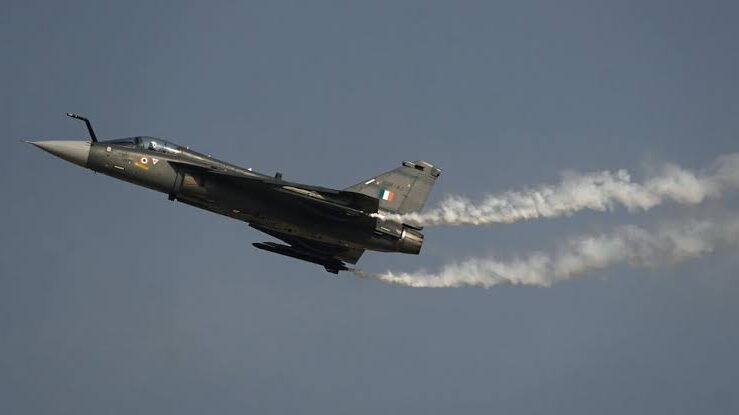
During a high-speed aerobatic sequence, the Tejas jet executed a sharp climb and transitioned into an inverted position. This type of maneuver is common during airshows—but not without risk.
Seconds later, instead of leveling out, the jet began descending faster than expected. Witnesses described the moment as both sudden and confusing.
-
Eyewitness Accounts From the Ground
Spectators reported seeing the jet struggle to regain height. Many noted that the drop looked steeper and faster than usual for similar airshow maneuvers. Before anyone realized what was happening, the Tejas hit the ground with devastating force.
-
Initial Reactions From Authorities
The Indian Air Force quickly confirmed the crash and later announced the pilot had unfortunately lost his life. Authorities launched a thorough investigation almost immediately, ensuring every angle—technical, human, and environmental—would be evaluated.
The High-Risk Maneuver Attempted
-
Description of the Aerobatic Move
The maneuver performed involved inverting the aircraft at a high speed and then attempting a recovery loop. Such movements are meant to showcase an aircraft’s agility and engine power.
-
Why the Maneuver Is Considered Dangerous
-
Required Altitude
These moves demand ample altitude. If an aircraft is too close to the ground, even the slightest delay in leveling out can become catastrophic.
-
Required Speed
The jet must maintain enough velocity to generate the lift needed to pull out of the descent.
-
Precision and Timing
Pilots performing such aerobatics follow strict timing cues; even a fraction of a second off can make or break the maneuver.
In this case, early analysis suggests the Tejas may have attempted the move with less altitude than required.
Possible Causes of the Tejas Crash
-
Human Error
-
Low Altitude at the Time of Maneuver
If the maneuver began too close to the ground, the pilot may not have had the necessary buffer to recover.
-
Delay in Recovery Attempts
Even the best pilots face challenges during aerobatic routines. A slight delay could have reduced the available margin for correction.
-
Mechanical or Technical Issues
-
Engine Performance Anomalies
Some experts propose that the jet did not achieve the ideal thrust needed for recovery—possibly due to a sudden engine issue.
-
Control System Failures
Another possibility is a malfunction in the flight control systems, which could have limited the jet’s ability to stabilize mid-maneuver.
Environmental or Situational Factors
-
Air Density and Temperature
High temperatures typical of Dubai can affect engine performance and aerodynamic lift.
-
Unexpected Turbulence
Sudden crosswinds or air pockets can destabilize even the most advanced fighters.
Expert Opinions on the Crash
-
Early Analysis From Aviation Specialists
Analysts observing footage noted that the maneuver began well—but the descent appeared uncontrolled. This hints at either a misjudgment or a technical issue unfolding too quickly to correct.
-
Signals Visible in Flight Footage
Some viewers spotted a slight change in jet noise, possibly indicating a power drop. While not conclusive, such signals are critical for investigators.
-
History of Aerobatic Mishaps
High-performance jets have crashed before during airshows, often due to tight margins and demanding maneuvers.
The Tejas Fighter Jet: A Brief Overview
-
Role of Tejas in India’s Air Fleet
Tejas represents India’s move toward modernized, indigenously developed fighters. It is lightweight, nimble, and designed for both defense and multi-role operations.
-
Why Tejas Is Vital After Retiring Older Aircraft
With outdated models being phased out, Tejas plays a key role in maintaining India’s aerial strength.
-
Previous Incidents Involving the Tejas
This crash marks the second Tejas loss in two years, raising concerns about safety and reliability—though isolated incidents don’t define overall fleet performance.
What Investigators Are Currently Examining
-
Data From Onboard Systems
Flight recorders help reconstruct the precise moment things began to fail.
-
Pilot Training and Flight Records
Reviewing the pilot’s previous flights ensures no gaps in preparation contributed to the tragedy.
-
Debris and Mechanical Evidence
Each piece of debris may reveal a clue—from engine components to control surfaces.
Challenges Investigators Face
-
Limited Available Footage
Most videos were taken by spectators, lacking the clarity required for detailed analysis.
-
Reconstructing the Precise Flight Path
Investigators rely on a combination of footage, digital telemetry, and physics modeling.
-
Differentiating Between Human and Mechanical Causes
Often, both factors interact—making it difficult to pin the cause on one element alone.
Broader Implications for India’s Air Force
-
Impact on Tejas Program Credibility
The crash may impact domestic and international confidence in the fighter’s safety, especially among potential export buyers.
-
Concerns From International Partners
Countries watching Tejas’ progress closely may demand more transparency in the investigation.
-
Pressure to Enhance Safety Protocols
India may revise its airshow procedures and reinforce pilot training for high-risk routines.
Can Future Crashes Be Prevented?
-
Improved Safety Training
More advanced simulation and training could help pilots prepare for unexpected mid-air complications.
-
Adjusted Maneuver Guidelines
Raising minimum altitude requirements could create safer margins.
-
Enhanced Monitoring and Diagnostics
Real-time health monitoring of aircraft systems could alert pilots earlier to potential malfunctions.
Conclusion
The Tejas crash at the Dubai Airshow was a tragic event that raised important questions about aircraft safety, aerobatic risks, and operational protocols. While investigators are still piecing together the full picture, early assessments suggest a combination of tight maneuvering margins, possible mechanical issues, and environmental factors. As the inquiry continues, India’s aviation community will be looking closely at how future flights—and future aircraft—can be made safer.
FAQs
1. Why was the Tejas performing such a risky maneuver?
Airshows often include daring aerobatics to demonstrate an aircraft’s capabilities and impress global audiences.
2. Does this crash indicate deeper flaws in the Tejas fleet?
Not necessarily. Investigators must determine whether this incident was isolated or part of a larger pattern.
3. How common are accidents in aerobatic routines?
Aviation history shows that high-stress aerobatics carry inherent risks, even for experienced pilots.
4. What happens next in the investigation?
Experts will analyze flight data, inspect debris, and evaluate pilot performance to determine the cause.
5. Will this incident affect India’s future fighter jet development?
It may influence decisions around training, maneuver limitations, and safety improvements for upcoming aircraft.



[…] Experts Reveal What May Have Caused India’s Tejas Jet to Crash… […]