






























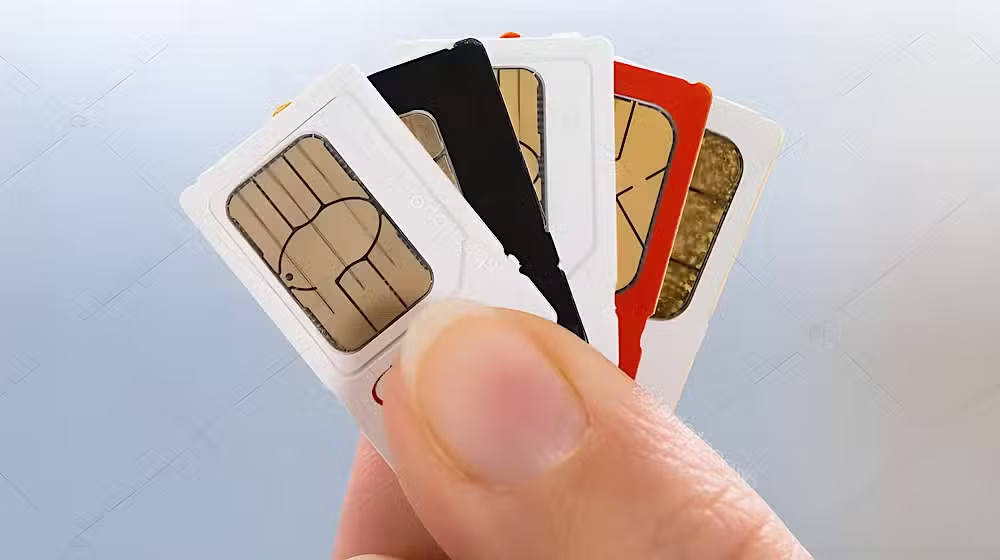
The Pakistan Telecommunication Authority (PTA) has issued an urgent warning to the public about a dangerous new scam that is spreading across the country. Fraudsters are reportedly stealing people’s biometric data. Including fingerprints and thumb impressions, by pretending to offer free SIM cards or fake financial aid.
According to PTA officials, these criminals often target women and low-income individuals. Luring them with attractive offers to collect sensitive information. Once obtained, these SIM cards are registered under victims’ names and later used in financial fraud, cybercrime, and identity theft.
The authority reminded citizens that sharing biometric data or giving away SIM cards registered in their own names is illegal and punishable under Pakistani law. PTA officials emphasized that everyone must remain cautious and never provide fingerprints or CNIC copies to unverified agents or unknown individuals.
In a related move, Meta, the parent company of Facebook, Instagram, and WhatsApp. Has partnered with the PTA and digital learning platform EYEYAH! to launch an awareness campaign titled “Is This Legit?”. The program aims to educate people about online scams and fake offers circulating on social media.
The campaign is part of Meta’s Asia-Pacific Digital Literacy Initiative, which covers more than 15 countries, including Pakistan. It focuses on helping internet users recognize common red flags in digital scams and avoid falling victim to cybercriminals.
PTA Chairman Major General (R) Hafeez Ur Rehman praised the collaboration, calling it an important step toward building a secure digital ecosystem. He noted that public awareness is crucial as online scammers continue to evolve their tactics and exploit vulnerable users.
Dania Mukhtar, Head of Public Policy at Meta Pakistan, said that even though Meta actively removes fraudulent accounts, scammers keep changing methods to trick people across multiple apps and websites. She added that education and awareness remain the most powerful tools against such threats.
“Through this campaign, we aim to help people spot scams in simple and engaging ways,” Mukhtar said. “We want users to stay alert and think twice before sharing personal information online.”
The PTA urged citizens to report suspicious activities or fraudulent SIM registration attempts immediately through official helplines or its website. Staying alert, verifying sources, and never trusting too-good-to-be-true offers are essential to stay safe in today’s digital age. Al Jazeera



[…] oil prices, interest rate trends, and geopolitical tensions could still influence exchange rates in the coming […]