





























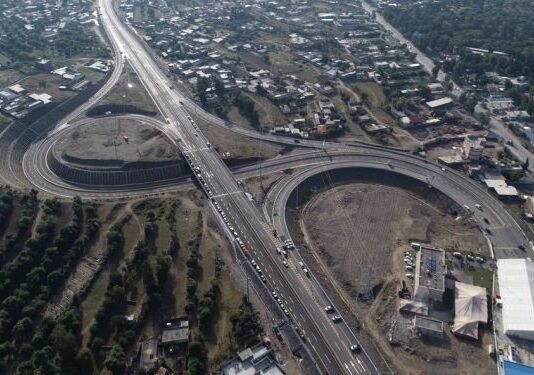
Pakistan has decided to speed up work on several Special Economic Zones (SEZs) that were approved before the IMF’s Extended Fund Facility (EFF) placed restrictions on new projects. The Board of Investment (BoI) has started the process to develop these zones while ensuring compliance with the IMF’s conditions.
The Board of Approvals (BoA) will soon clear applications for pending SEZ projects protected under the SEZ Act, 2012. These include four key zones tied to international agreements — the Mohmand SEZ, Karachi Industrial Park, Federal SEZ in Islamabad (approved under the Pak-China Joint Cooperation Committee of CPEC in 2016), and the Gabd-Rimdan Border SEZ under the 2024 Pakistan-Iran MoU. The BoI has begun issuing Letters of Intent to identify developers and fast-track approvals.
In Gilgit-Baltistan, the Moqpandas Export Processing Zone (EPZ) was approved in principle earlier this year and is now awaiting final approval. The BoI’s clearance will allow the GB government to begin full-scale investor engagement and development activities.
Private-sector SEZs in Punjab and Sindh are also progressing. The United Business Park in Lahore and the Capital SEZ in Chakwal have updated land rates to make investment more competitive. Similarly, the Green Industrial Park in Lahore has reduced its per-acre cost to attract new investors. In Sindh, the Oborcon Industrial Zone in Thatta, covering 300 acres, has been resubmitted after meeting technical requirements and is under BoA review.
Existing zones such as the Bin Qasim Industrial Park in Karachi continue operations under standard 60-year lease agreements. To attract more investors, the Pakistan Industrial Development Corporation (PIDC) has proposed a new model offering land at a preferential lease rate of $10,000 per acre per year for up to 50 years.
The BoI, working with the Special Investment Facilitation Council (SIFC) and Ministry of Industries and Production, has also set new qualification rules to simplify approvals and encourage industrial expansion. Officials say this approach will help Pakistan boost foreign investment, promote industrial growth, and stay within the IMF’s financial commitments. LINK



[…] Pakistan to Fast-Track Special Economic Zones Despite IMF Restrictions […]